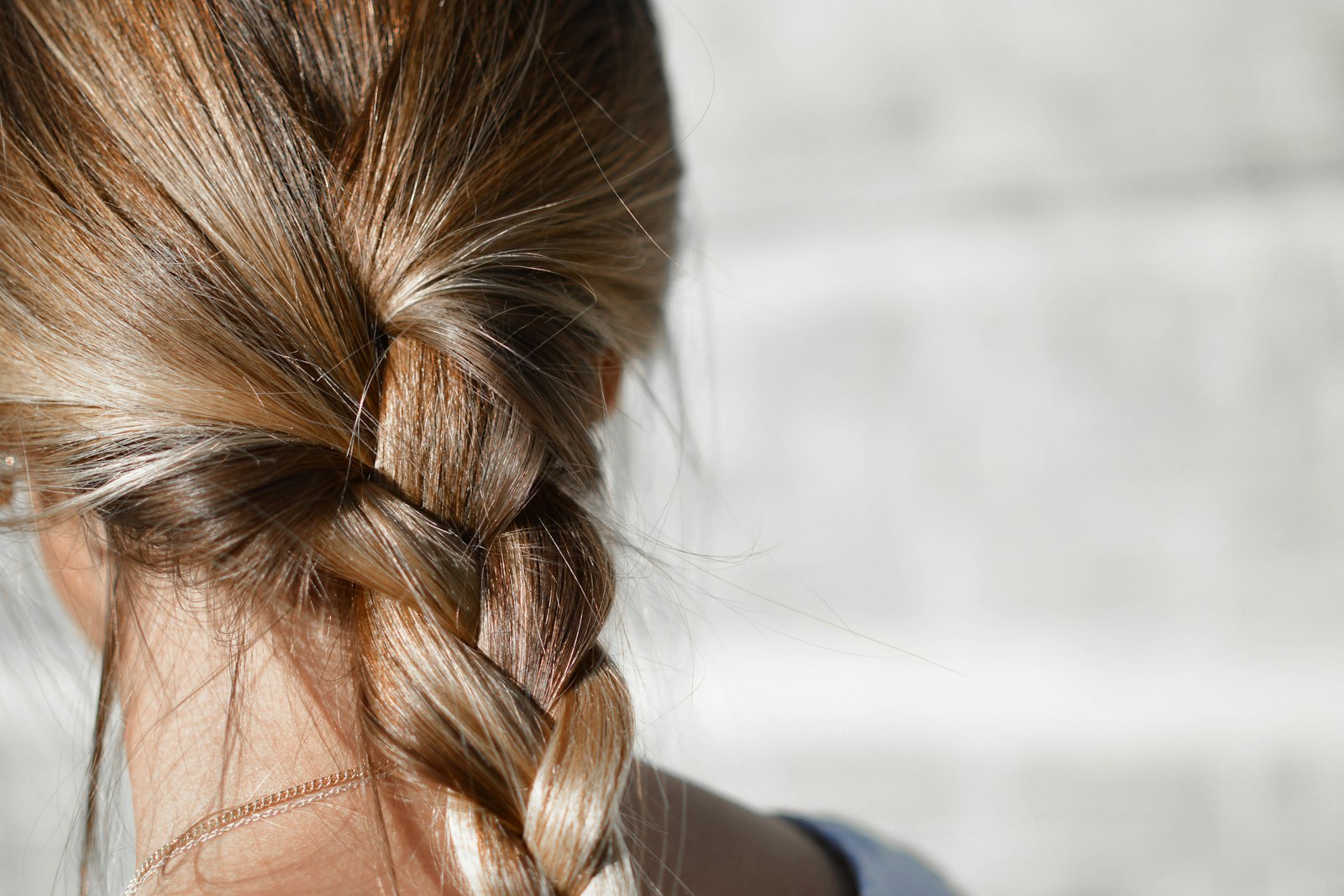
Styles that pull on your hair day after day can lead to traction alopecia. Small changes keep your hairline safe.
Quick look
- Tight braids, buns, ponytails, weaves and extensions can gradually cause traction alopecia.
- Pain, stinging or crusting on the scalp are signs a style is too tight.
- The AAD suggests looser styles around the hairline and leaving braids in for no more than six to eight weeks.
- Caught early, traction alopecia can often be reversed; if the pulling continues, the hair loss can become permanent.
Braids, buns, ponytails and extensions are practical and can look great. But wearing the same tight style for long periods puts constant tension on your hair, which can damage the follicles over time.
What is traction alopecia?
According to the American Academy of Dermatology (AAD), traction alopecia is hair loss caused by hairstyles that pull on the hair. It often starts along the hairline or wherever the pull is strongest. Caught early, it can often be reversed; if the pulling continues, the hair loss can become permanent.
Warning signs
- pain, stinging or tenderness on the scalp
- small bumps or crusting where the hair is pulled
- broken hairs, or thinning around the hairline or temples
If a style hurts, it’s too tight, and the AAD advises changing it straight away.
Gentler ways to wear your favourite styles
| Style | Gentler approach |
|---|---|
| Braids, cornrows or locs | Ask for looser braids, especially around the hairline, and leave braids in for no more than six to eight weeks |
| Weaves and extensions | Avoid installs that feel heavy or pull, and give your hair breaks in between |
| Ponytails and buns | Wear them lower and looser, and change their position from day to day |
| Hair ties | Use soft ties without metal parts |
Little trick
Take a break between tight styles. Wearing your hair loose, or in a relaxed style, for a while lets your scalp recover.
Combine with gentle care
Heat and chemical treatments can weaken hair further, so try not to combine tight styles with frequent heat styling or chemical straightening.
Good to note
If you notice thinning, bald patches or a receding hairline, see a GP or dermatologist early. Treatment works best before hair loss becomes permanent.
Small changes, healthier hair
You don’t have to give up your favourite styles. Wearing them a little looser, changing them more often and listening to your scalp go a long way. Our guide to washing your hair covers everyday care.
Ask away
Are braids bad for my hair?
Not if they’re done gently. Looser braids, especially around the hairline, and breaks between styles help protect your hair.
What are the early signs of traction alopecia?
Soreness or small bumps on the scalp, broken hairs, and thinning along the hairline or wherever the hair is pulled most.
Can hair ties cause damage?
Yes, if a tight style is worn for long periods. Choose soft, snag-free ties and change where you place your ponytail or bun.
This article is general information, not medical advice. For skin, scalp or allergy concerns, speak to a pharmacist, your GP or a dermatologist. In an emergency, call 999.